 Public Domain
Book of Kells
Gospel Book of the Abbey of Kells (Codex Cenannensis / Leabhar Cheanannais)
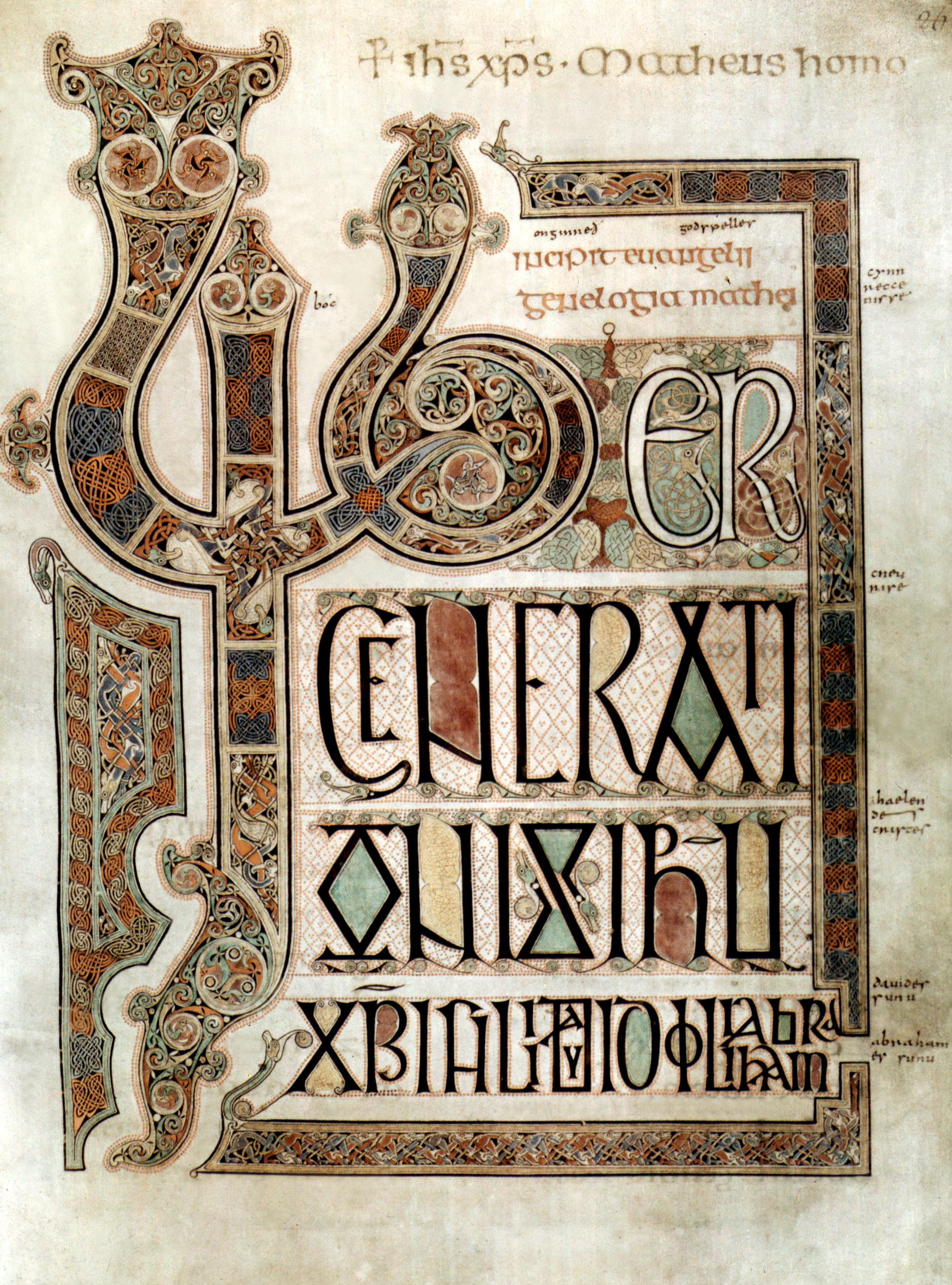
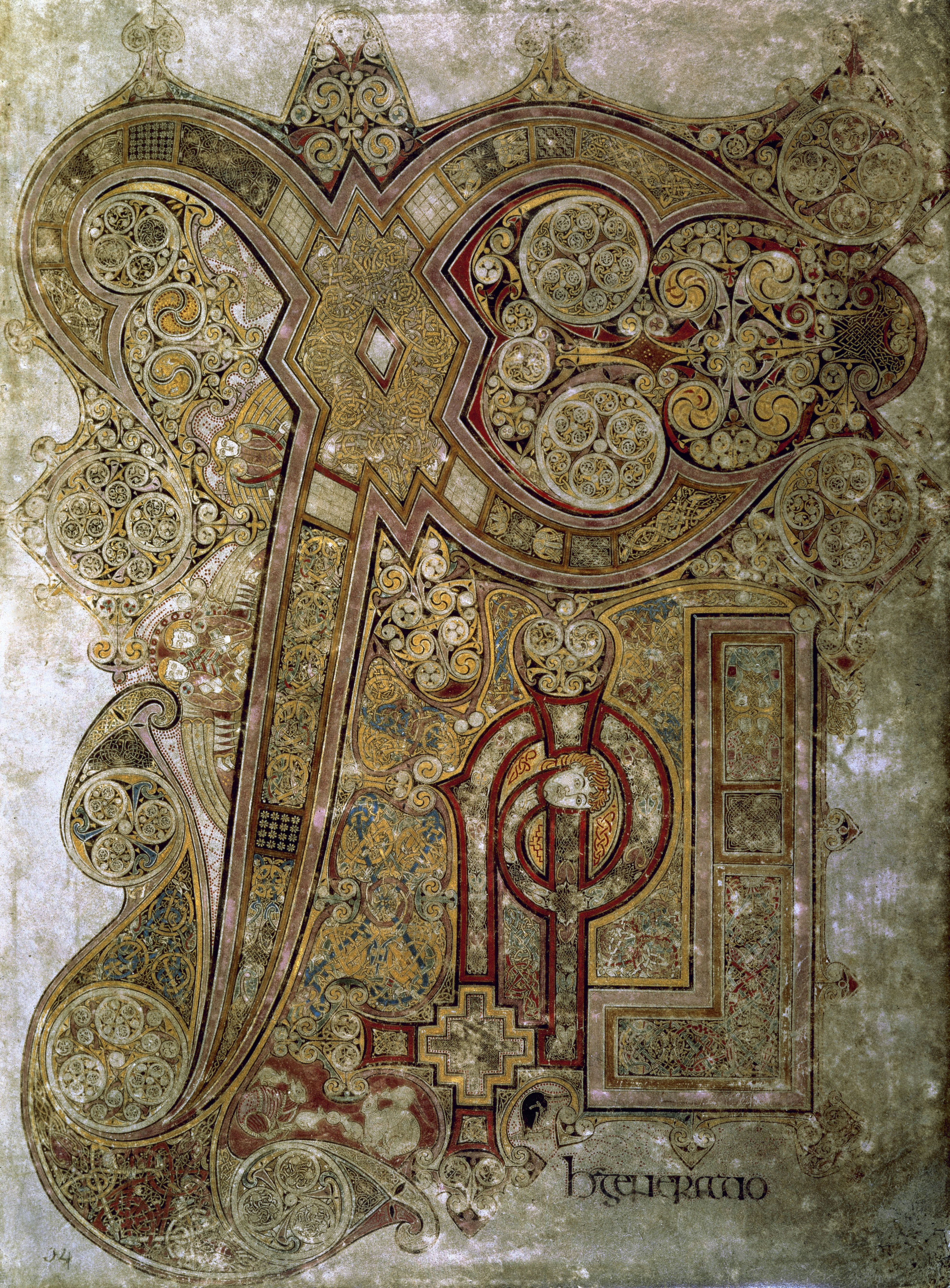
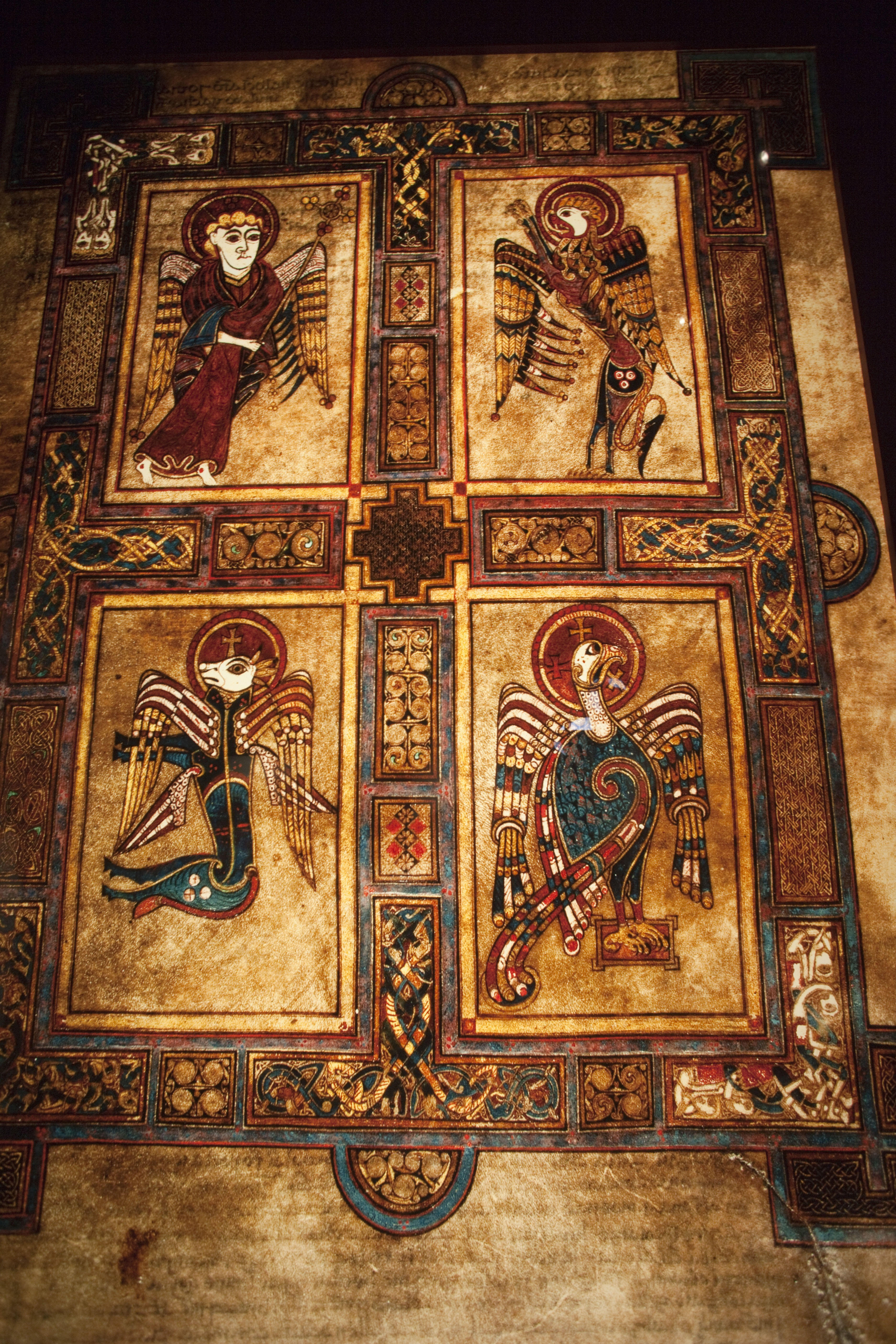
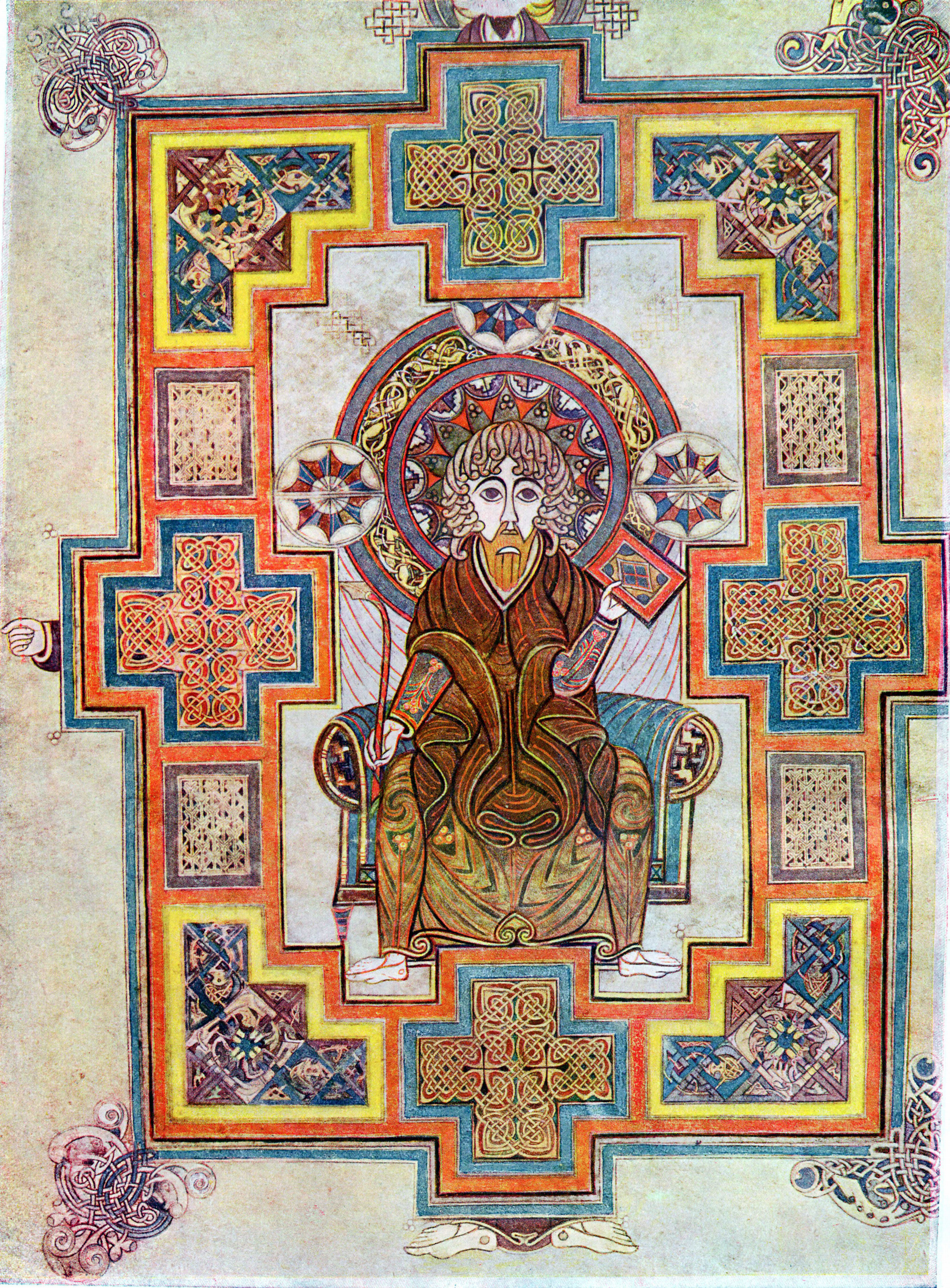
The Book of Kells is a large Gospel manuscript now consisting of 340 folios (680 pages), measuring approximately 330 × 255 mm. Originally it probably contained about 370 pages, with losses likely resulting from damage sustained during its theft in 1007. Written on vellum, the manuscript contains the four Gospels in Latin together with additional texts such as canon tables, summaries, and prologues. Every page is decorated, ranging from full-page compositions organized around initials or portraits to minute ornamental details enhancing the text.
The Book of Kells is universally regarded as one of the most remarkable surviving works of early medieval Christian art and is often described as the greatest treasure bequeathed to Ireland by its history. The richness, complexity, and artistic mastery of its ornamentation are unequalled among surviving Gospel books of the period. It attracts nearly 500,000 visitors annually to Trinity College Dublin and has become an internationally recognized symbol of Ireland's cultural heritage.
The manuscript is generally dated to around the year 800. Its origins are closely linked to the monastic community founded by Saint Columba (Colum Cille) at Iona. Following Viking raids on Iona in 806, the community began constructing a new monastic settlement at Kells, completed in 814. Scholarly debate continues as to whether the manuscript was produced entirely at Iona, entirely at Kells, or begun at Iona and completed at Kells. The Book of Kells is first recorded in 1007, when it was stolen from the church at Kells and later recovered, stripped of its gold.
For centuries, the Book of Kells was venerated as a relic of Saint Columba and preserved at Kells throughout the Middle Ages. Over time, it transcended its original liturgical function to become a symbol of Irish culture itself. In Ireland and internationally, it represents the early Christian faith, the intellectual life of monastic communities, and an exceptional level of artistic achievement. Today, it plays a central role in public understanding of Ireland's medieval heritage.
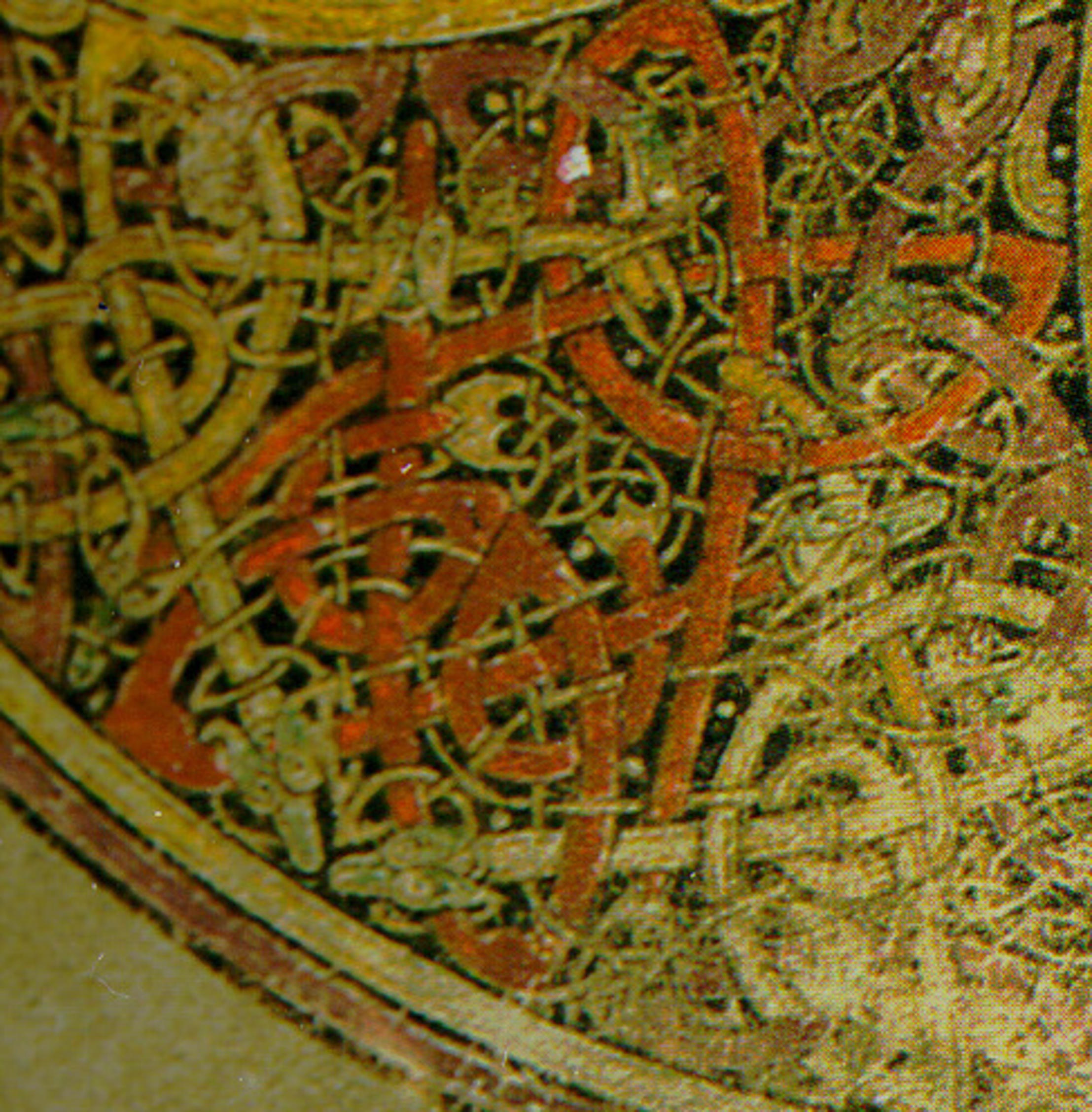
The manuscript is written in Insular majuscule script and decorated with approximately thirty full-page illuminations, as well as richly ornamented initials on every page. The decoration employs mineral and organic pigments in a palette dominated by red, blue, yellow, green, violet-pink, and white, often applied in layered or mixed forms. The imagery includes canon tables, evangelist symbols, portraits, narrative scenes such as the Temptation and Arrest of Christ, and the celebrated Chi-Rho monogram page, exemplifying the highest refinement of Insular manuscript art.
- All metadata
- Good to know
- CreatorColumban Monks (Iona/Kells)
- Date Createdc. 750-850 AD
- NominatorGovernment of Ireland
- Inscription TypeInternational Register
- RegionEurope
- LanguageLatin
.jpg)
.jpg)
.jpg)
.jpg)
Discover related collections
- International Organization
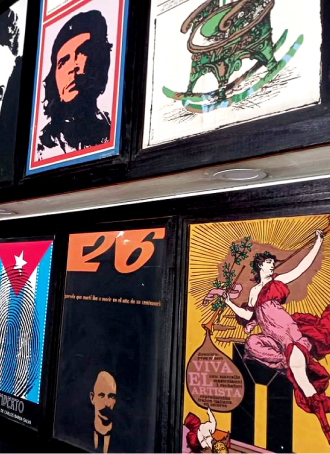
Cuban Movie Posters
2023Year of Nomination
- Latin America & the Caribbean
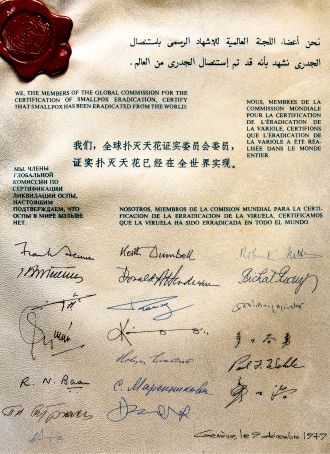
Records of the Smallpox Eradication Programme
2017Year of Nomination
- Arab Republic of Egypt
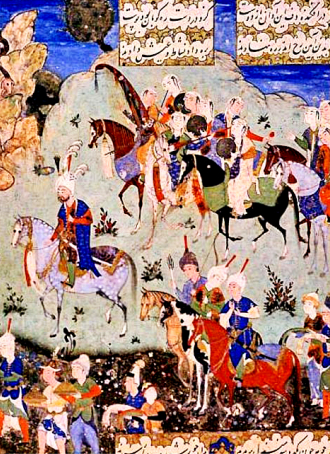
Persian Illustrated and Illuminated Manuscripts
2007Year of Nomination
- Republic of Korea
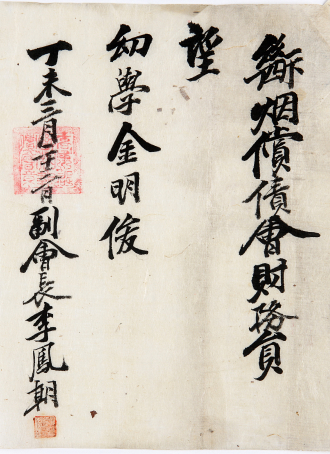
Archives of the National Debt Redemption Movement
2017Year of Nomination